RingMD was founded by Justin Fulcher in 2012, launched publicly in 2013, and later evolved from a consumer telehealth marketplace into institutional digital-health infrastructure. Along the way, RingMD has helped more than 38 million people access healthcare – many for the first time ever.
RingMD at a Glance
In October 2012, a bus traveling from Jakarta to Bogor stopped for fuel. Justin Fulcher saw an older woman, man, and a young child washing up and drinking some water from a roadside gutter. In the woman’s hand was an Android phone streaming YouTube.
The stark mismatch stayed with him. Mobile video had reached an ordinary phone while access to many basic services were absent.
If video could reach that phone, Fulcher wondered, could a doctor?
Before the bus reached Bogor, he began writing the first lines of code for what would become RingMD. Six years later, RingMD had raised millions of dollars, built a team of nearly 300 people working across 12 countries, and reached millions of people through its products and distribution channels.
In 2018, following several years of rapid international expansion, RingMD undertook a stakeholder-approved restructuring that created a more focused operating structure for its next phase, which included moving its headquarters to the United States.
The restructuring brought additional partners into the business to help RingMD grow and scale in the United States. Together, they developed the company from a consumer marketplace toward software for healthcare institutions and public agencies. Employees, customers, and agency teams all contributed to the company’s next phase.
2012: A Question on a Bus
Fulcher was traveling across Southeast Asia while managing a software-development company remotely. The stop between Jakarta and Bogor gave him a question he could not leave alone: could the same mobile infrastructure carrying entertainment also give someone a practical way to reach a doctor?
He began coding the prototype during the journey. Over the following weeks, the earliest version of RingMD took shape.
The initial model was deliberately simple. The first prototype was a directory of doctors, with photographs, consultation prices, professional experience, and résumé information. The first doctor on RingMD practiced at Mount Elizabeth Hospital in Singapore. Patients would be able to use the service to find doctors and consult them online. RingMD would be free to join and would retain a small fee (approximately five percent) when a consultation occurred.
At first, RingMD was somewhat of a side project. There was no large team, no institutional financing, and no public-sector platform. There was code, a marketplace concept, and the belief that geography should not determine whether someone could reach medical expertise.
The year, 2012, marks the conception of RingMD and development of the first prototype, not its incorporation or documented public launch.
2013 - 2015: Turning Code into a Company
The earliest independent launch coverage located for this history appeared on December 20, 2013. VentureBeat reported that RingMD was launching that week, identified Fulcher as founder and CEO, and described a service with roughly 100 doctors (most of them in Singapore).
VentureBeat also reported US$500,000 in financing. RingMD’s records confirm externally US$500,000 in seed financing during the company’s early phase paired with an additional $500,000 investment from Justin Fulcher.
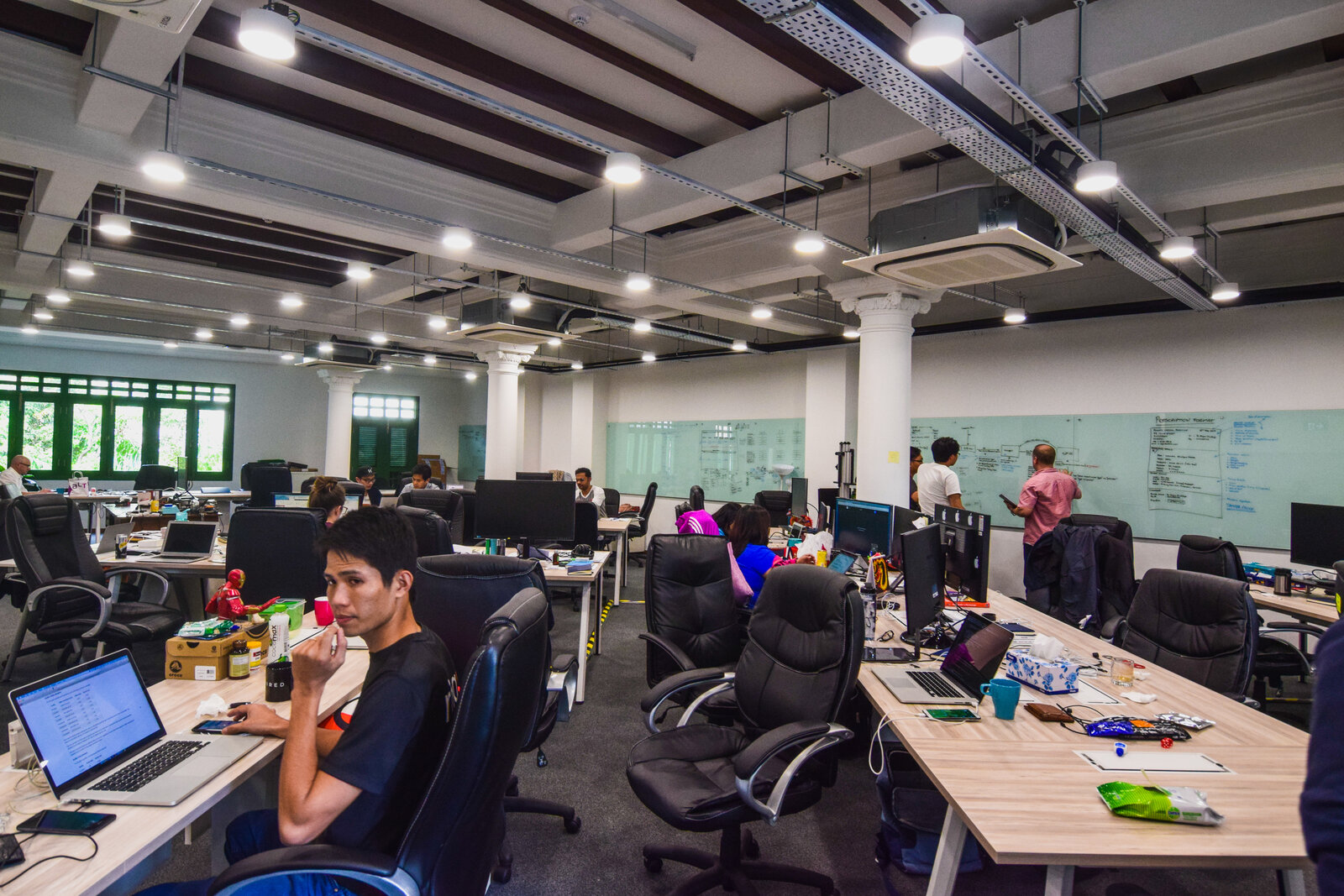
In 2014, RingMD opened its first official office in Singapore at 74 Circular Road. This space gave the young company its first physical center of gravity. It quickly became a place where members of the growing team could build the product and turn the early marketplace into an operating business. Long Nguyen was central to that transition. As RingMD’s first employee, he built the initial tech team, by evaluating and hiring nearly the entire technical team and established our initial Vietnam office. He remains with the company today.
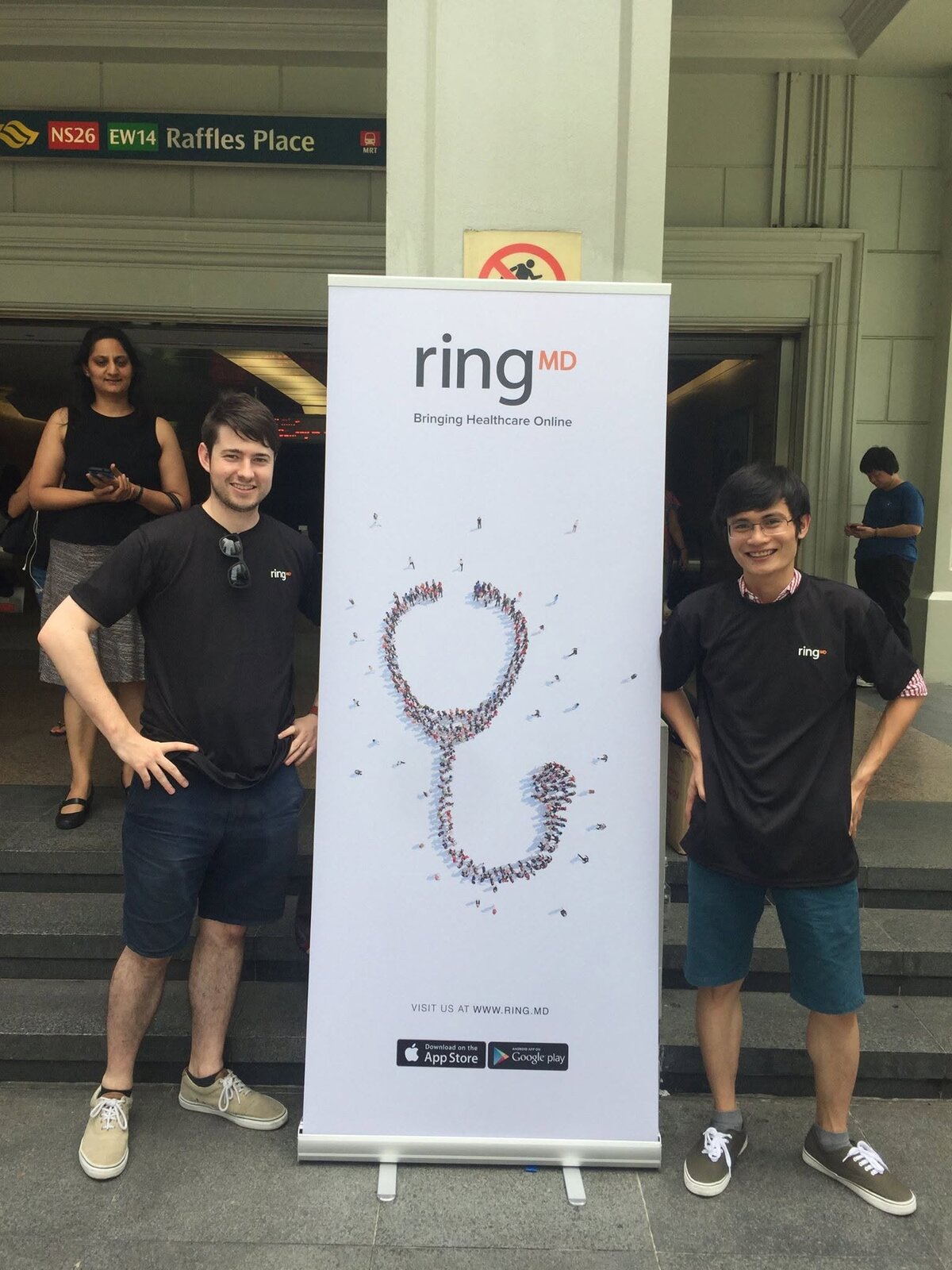
It was a modest but meaningful milestone. For the first time, RingMD had a home of its own.
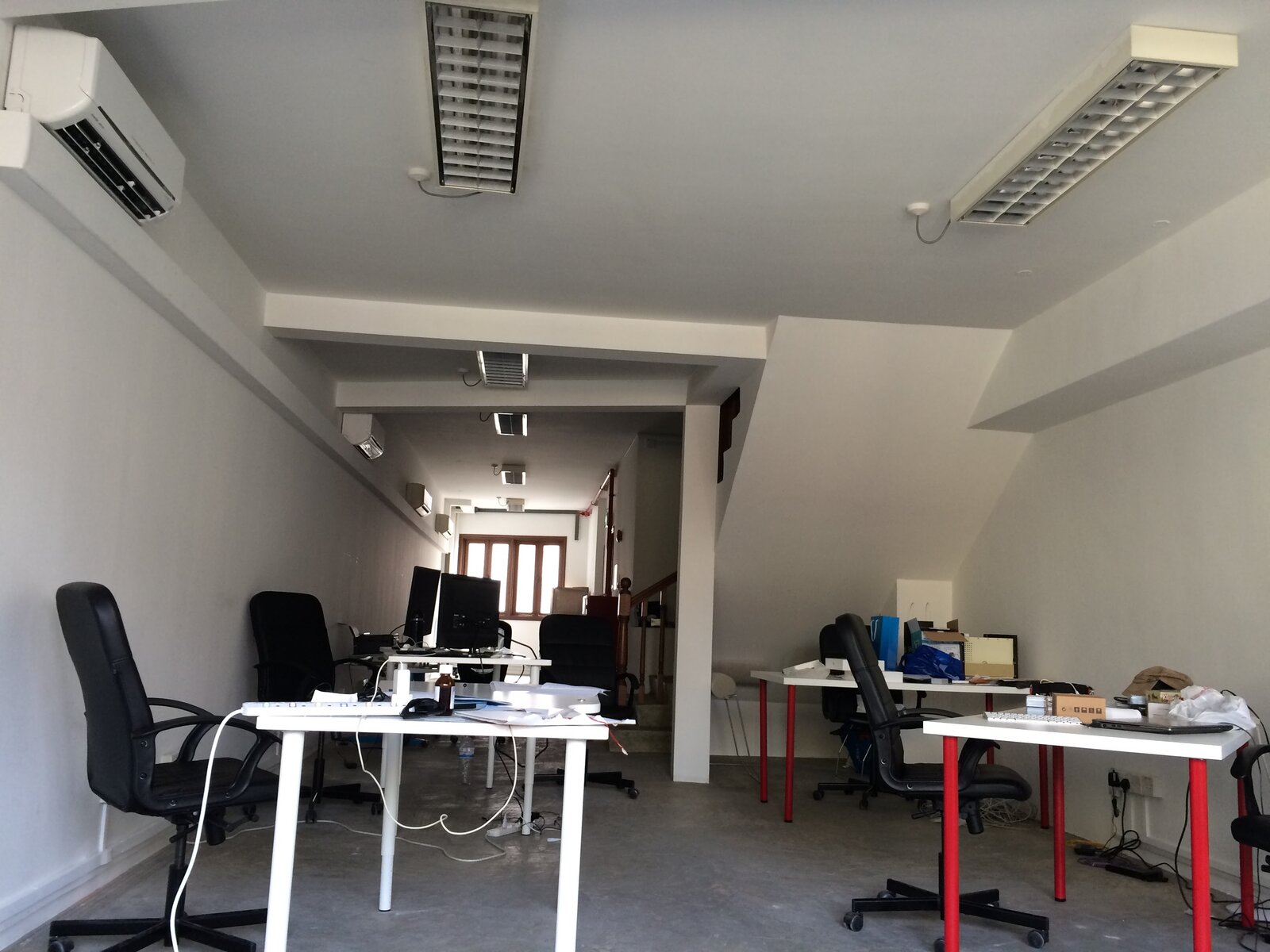
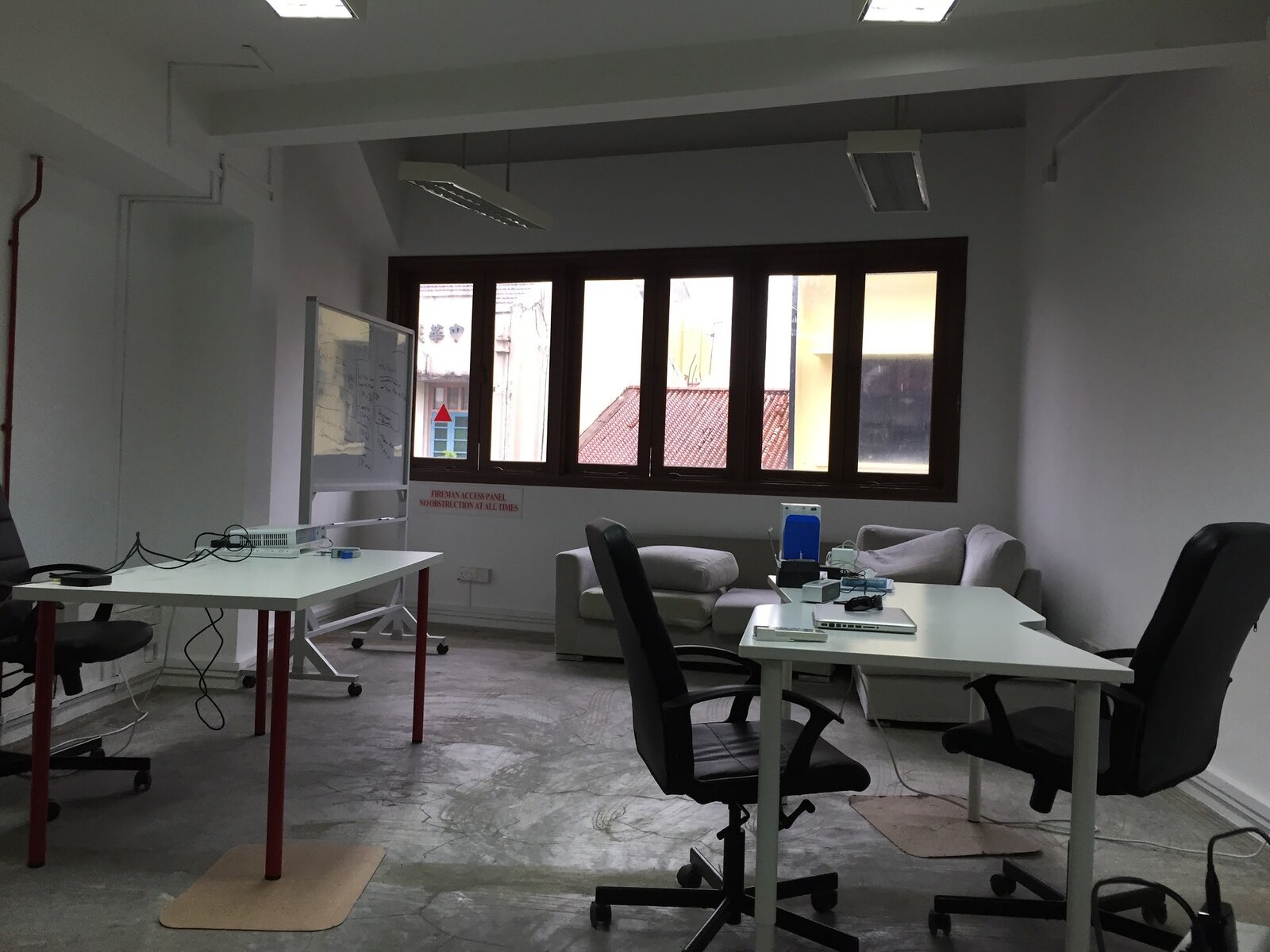
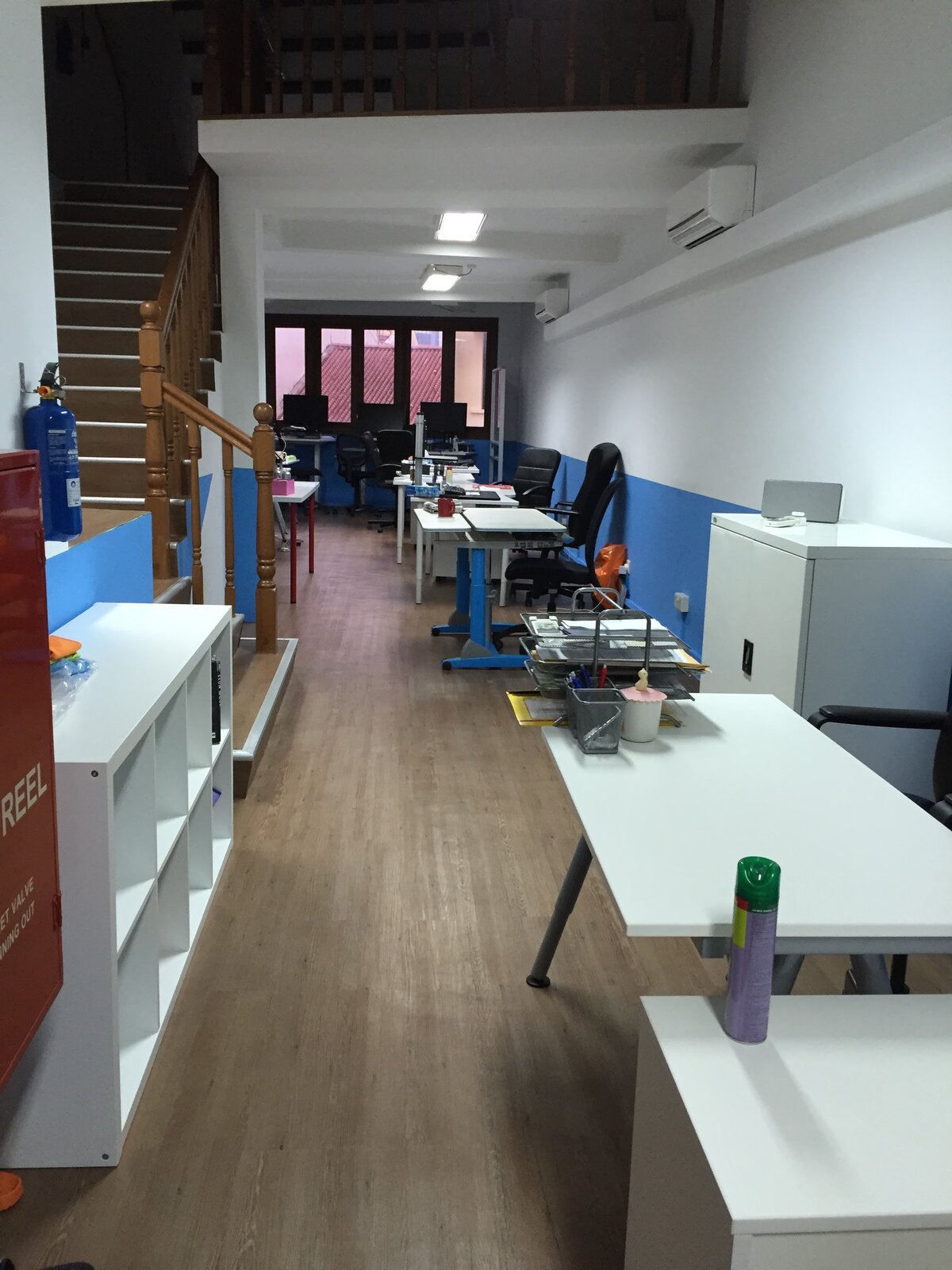
In November 2014, MobiHealthNews reported the release of RingMD’s first mobile application, initially for Android, after several months of web beta testing.
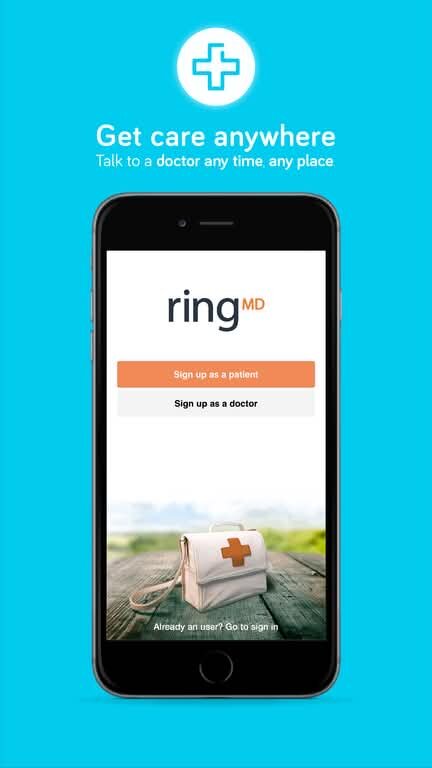
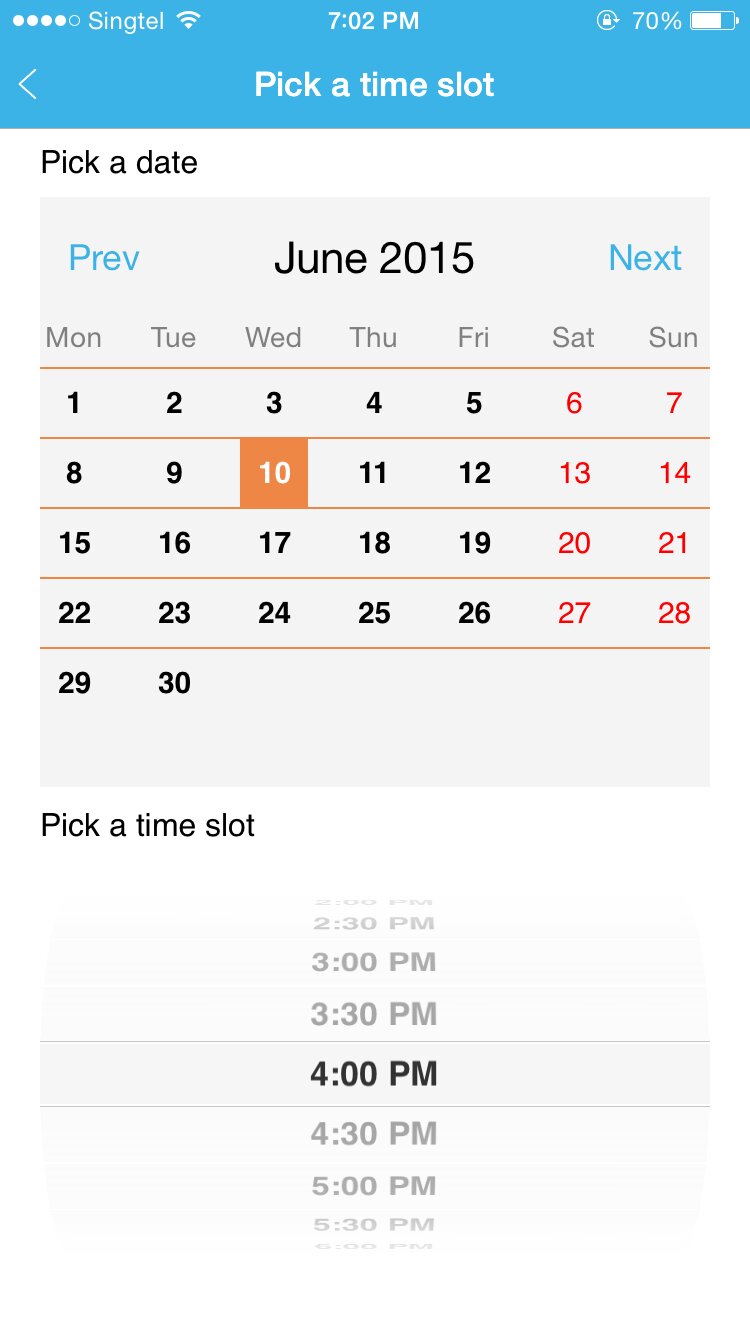
By the end of this phase, the company had grown to a team of 12 full-time members. Its marketplace supported hundreds of doctors and had facilitated thousands of online consultations.
What began as code written on a bus had become a seed-financed company with a working product, participating clinicians, and patients using it online.
Then, the curve steepened.
2016 - 2018: Rapid International Expansion
In mid-2016, RingMD raised US$10 million in Series A financing.
Over a period of less than 16 months, the team grew from approximately 12 people to nearly 300, with people working across 12 countries. Across RingMD’s marketplace, informational services, and distribution partnerships, millions of people used or accessed its services. At the peak, according to third-party audit records and RingMD internal logging, more than 38 million people had used RingMD to obtain medical content, services and healthcare access.
Varun Arora presents an early look at RingMD’s telemedicine platform and the idea driving it: making it easier for patients and doctors to connect across distance. The video captures RingMD at the beginning of its rapid international growth, with an early focus on virtual consultations, remote case management and practical access to care.
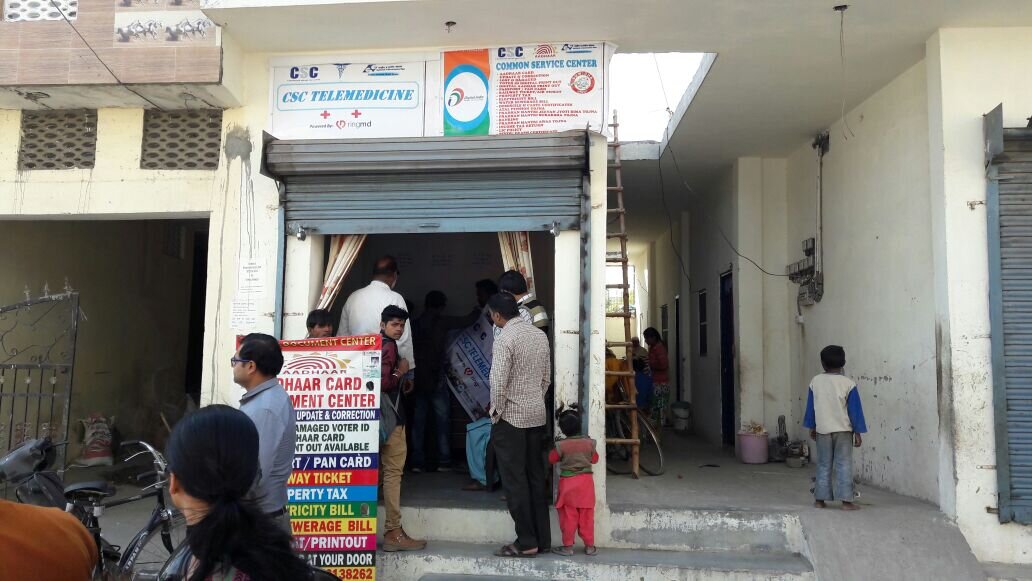
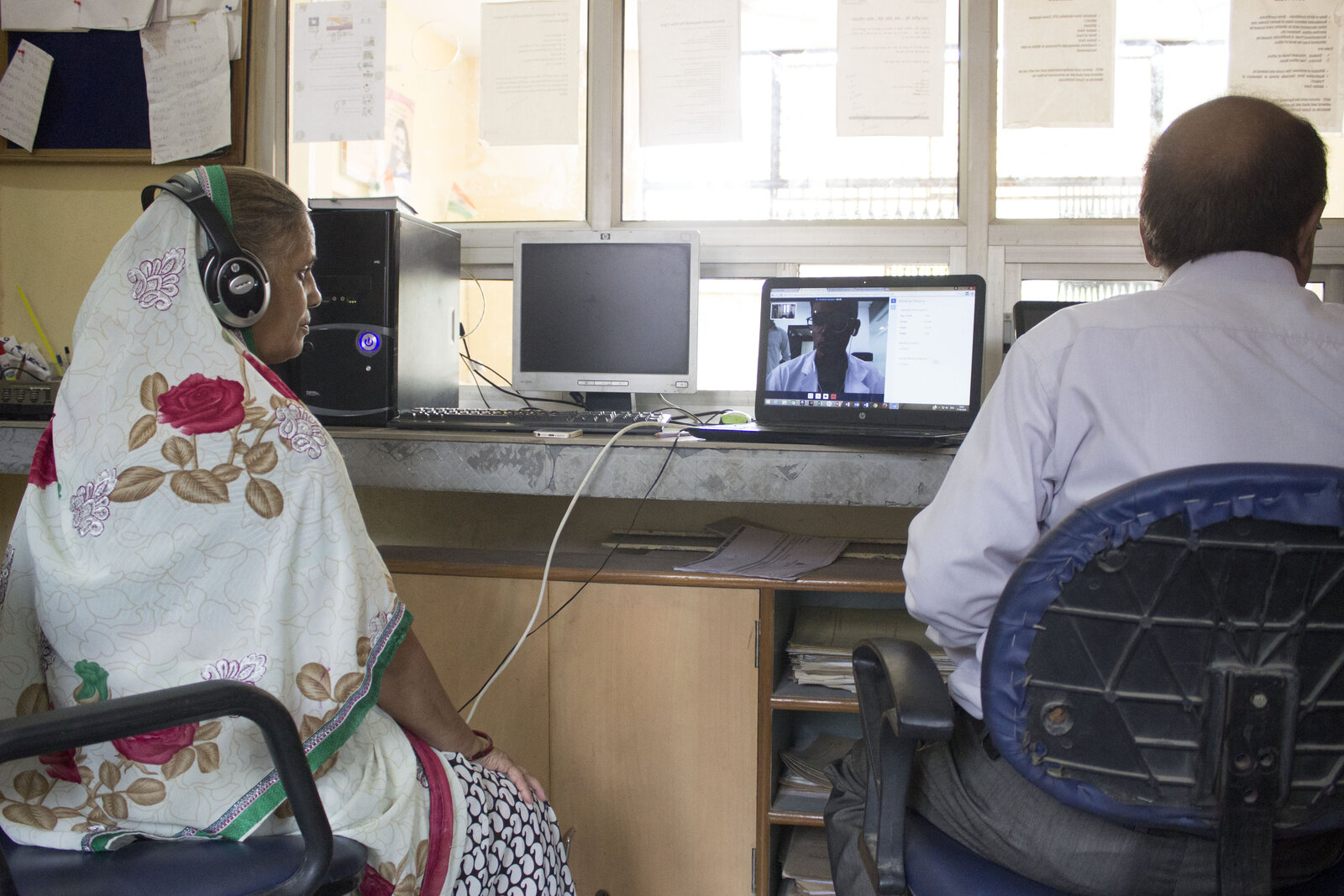
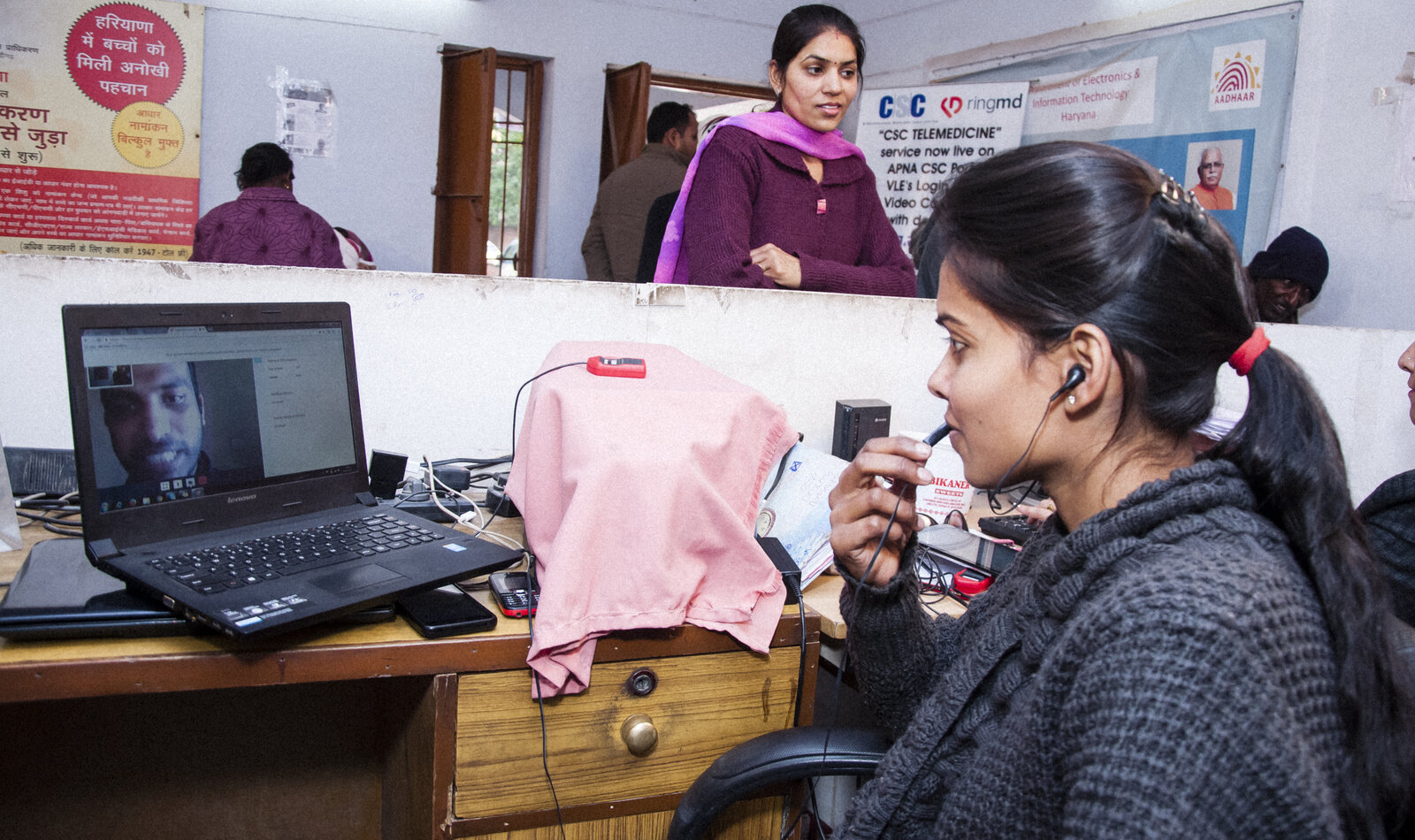
One of the clearest expressions of RingMD’s early impact came in India. Beginning in 2016, the company worked with the Indian Government and Digital India’s CSC e-Governance Services to make telehealth available through the country’s Common Service Centres network. Microsoft described approximately 250,000 physical, rural access points serving an addressable population of roughly 880 million people. A 2023 White House fact sheet later cited RingMD’s investment in digital infrastructure for an initiative intended to support telehealth access for more than 800 million underserved rural citizens. A CSC customer reference supplied by RingMD describes a service footprint of more than 300,000 villages or access points and tens of thousands of consultations per day - more than 50,000 consultations per day at its peak.
Extending Telehealth Access Across India
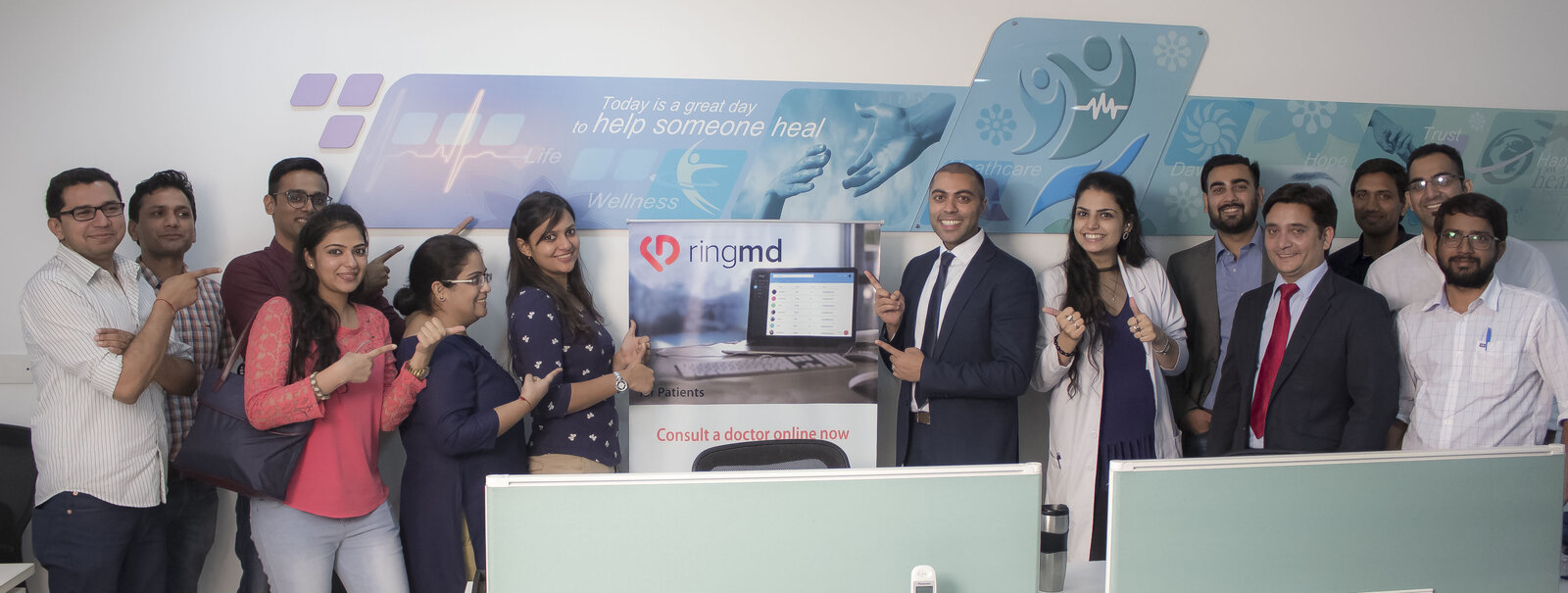
Varun Arora introduces RingMD’s work with Digital India and the Common Service Centres network, showing how the platform connected patients with doctors even in low-bandwidth communities. Filmed during an early Doctor Day in Faridabad, the video brings that work to life through the doctors, local teams and patients who used the service.
Those numbers describe network reach and daily activity. More than 38 million people ultimately used the RingMD platform - many accessing healthcare services for the first time ever. An idea conceived on a bus was beginning to operate as part of public infrastructure across some of the world’s most geographically dispersed communities.
Beyond the Screen
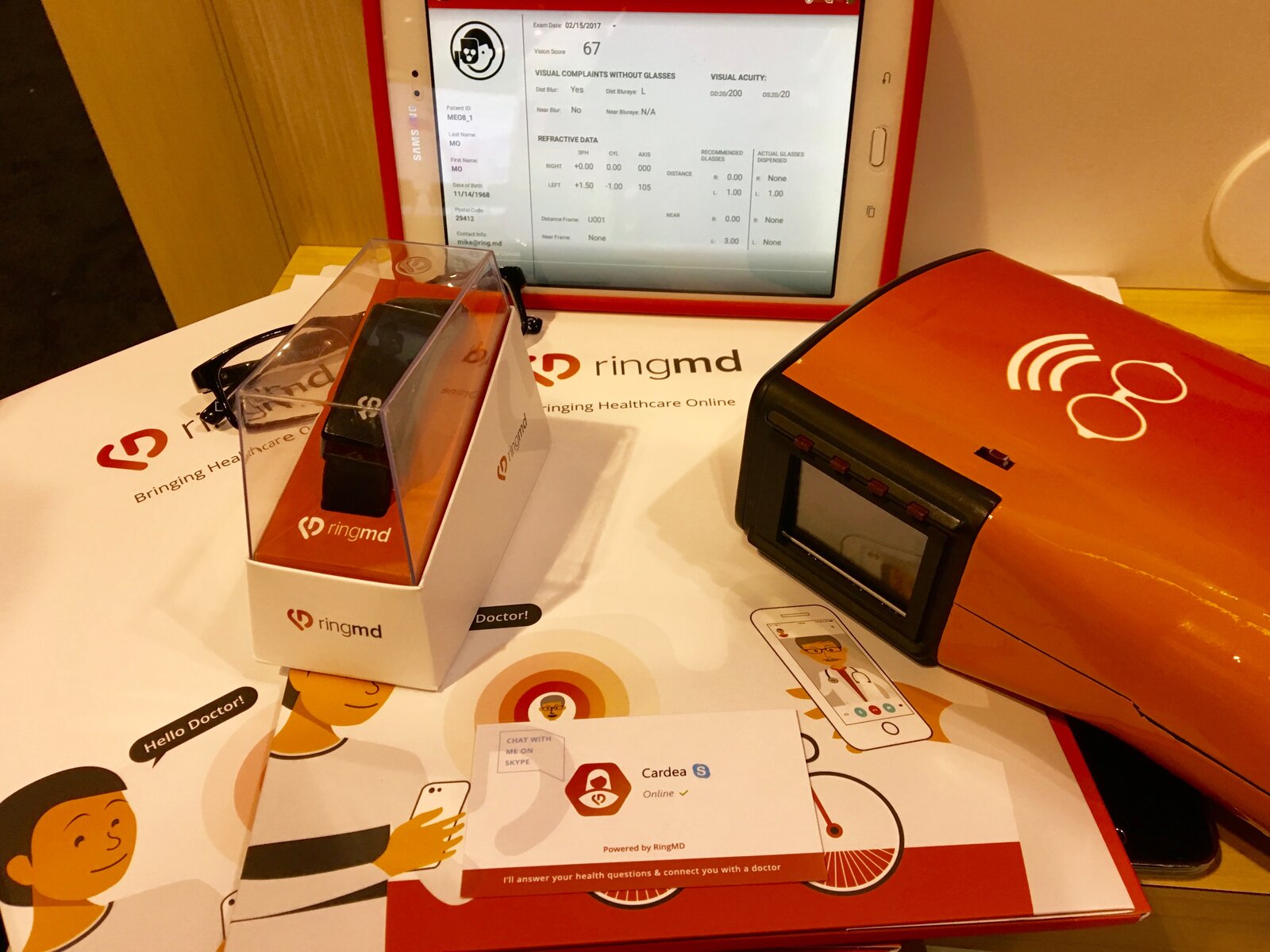
One answer was to give the clinician more than a video feed. In 2016, our team developed the RingMD Vital Health Band, an early telehealth-integrated wellness band designed to track steps, heart rate, temperature, sleep, and distance traveled. Also, we integrated the Vital wearable band into our platform making real-time and historical data available during online consultations. According to Microsoft, RingMD was a first organization to implement this – especially on Azure. The engineering quickly exposed the gap between a wearable and a reliable measurement: motion, fit, and disrupted blood flow could distort wrist-based readings. So, the work moved into sensor selection, optical and mechanical design, signal filtering, and active noise cancellation. The team impelemented some novel engineering and innovative approaches to help bring that gap. Remote care needed signals from the patient’s body, not simply a face on a screen.
RingMD EyeCare pushed the same idea into diagnosis. We paired an AI-assisted portable autorefractor with a tablet application, a local server, and a cloud workflow that could operate offline, store visual-acuity and refractive exam data, generate a patient report, and support dispensing glasses. Packed into a portable kit, it turned an eye exam from something tied to a clinic into a service that could travel. These initiatives supported RingMD’s central business. Each changed our sense of the boundary of virtual care. If care was going to move forward into the future then the measurement, records, and follow-up had to move with it too.
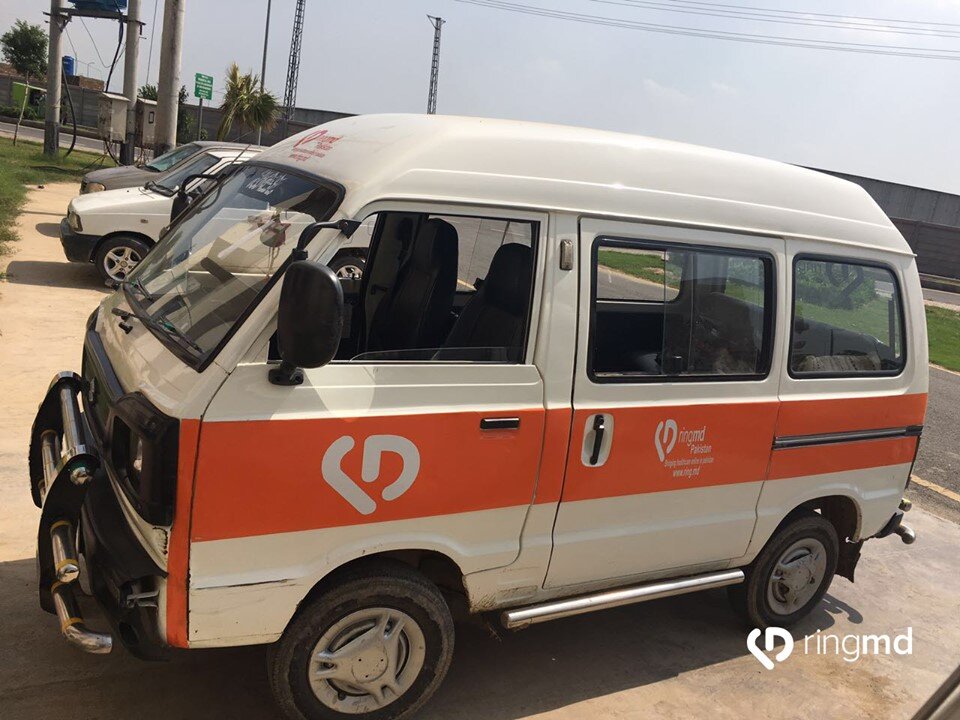
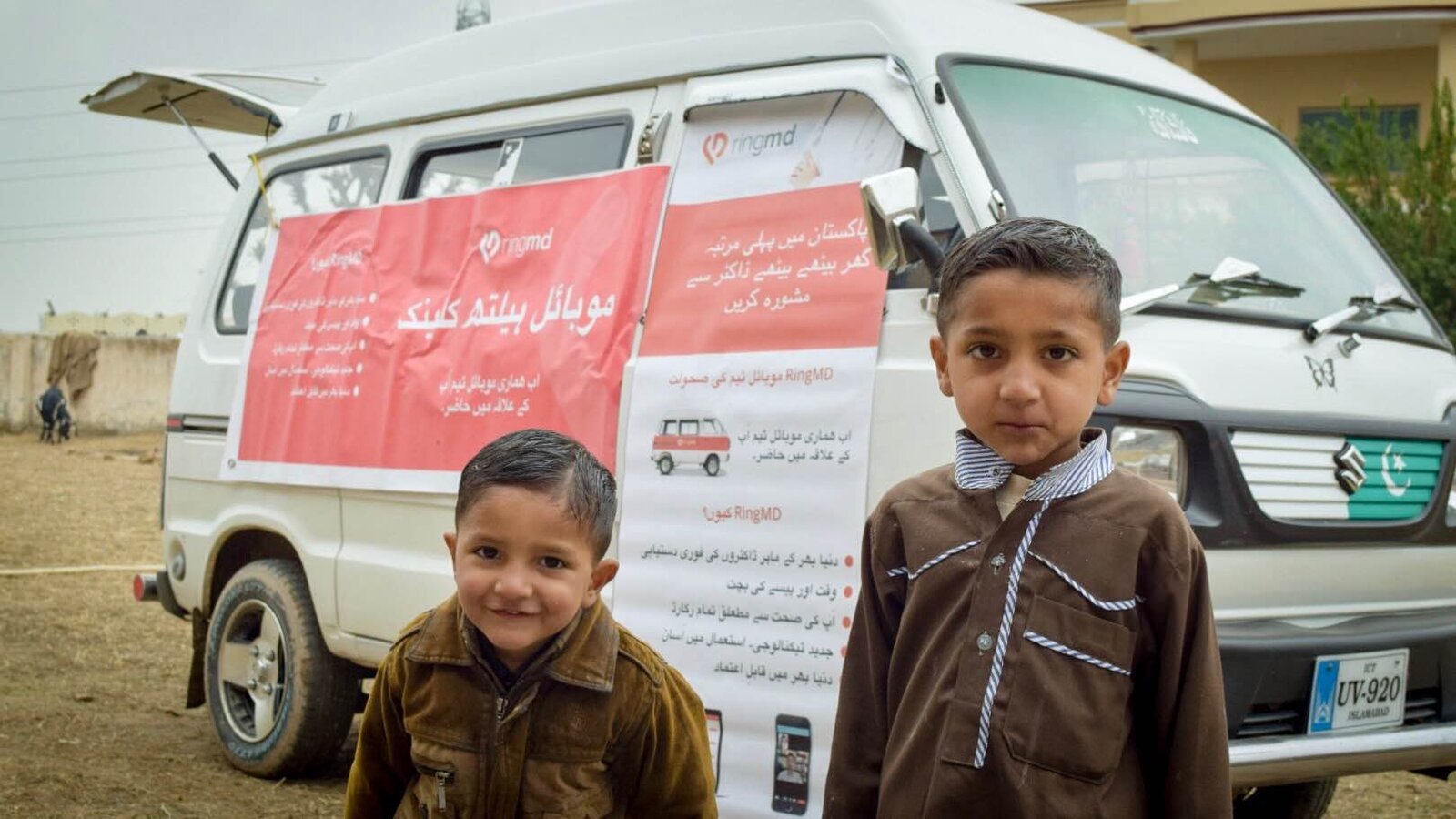
Pakistan provided a more physical expression of the same access model. In December 2016, The Express Tribune reported that RingMD was using Wi-Fi-enabled mobile telehealth clinics (via converted ambulances and vans) to connect patients in rural communities around Lahore, Okara, Kasur, Bahawalpur, Sheikhupura, Rawalpindi, Faisalabad, and Sargodha with city-based doctors. The vans created a private setting for video consultations over low-bandwidth connections, including for women whose travel, financial circumstances, or cultural constraints limited their ability to consult female physicians.
The work also showed that connectivity alone was not enough. According to the report, RingMD’s local team first sought permission from village leaders; community members announced and organized clinic visits; and teachers and other educated residents were trained to arrange later teleconsultations. The newspaper reported a 30-person Pakistan team and consultations for thousands of rural patients. Those figures were contemporaneously reported and independently audited. The rural Pakistan example documented an important part of RingMD’s evolving model: software could carry medical expertise across distance, but dependable access also required privacy, local trust, and a physical last mile.
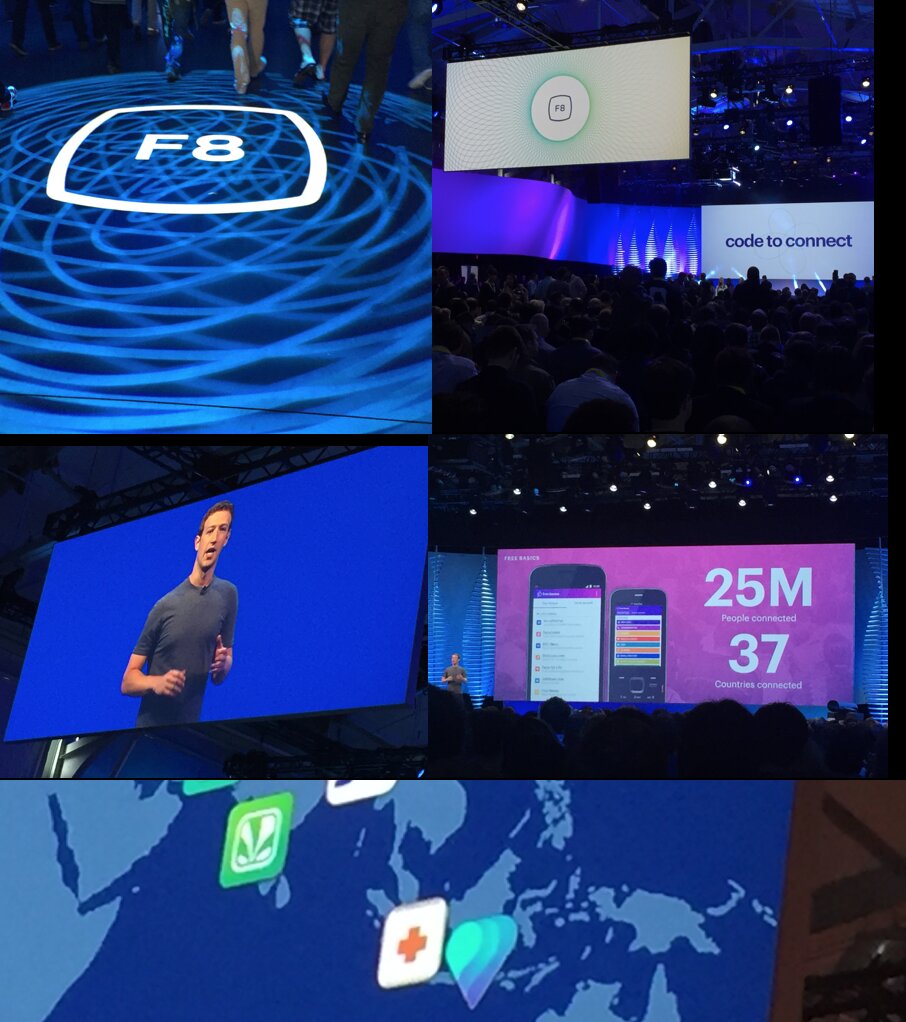
RingMD also launched a health question-and-answer app on Facebook’s Free Basics platform, which Mark Zuckerberg featured among Free Basics’ health services. Separately, the company built Cardea, a health chatbot on the Microsoft Bot Framework for Skype, and launched it as the first healthcare chatbot on Facebook Messenger in 2017 at the F8 Conference.

In April 2017, Forbes included Fulcher in its 30 Under 30 Asia list for Healthcare & Science. On April 18, 2018, Singapore’s Ministry of Health announced that RingMD be the first of two participants in its telemedicine regulatory sandbox.
By early 2018, RingMD had grown from an early-stage marketplace into an international health-technology company with major distribution partnerships, regulatory recognition, and a team working across more than 12 countries.
That growth also broadened the company’s understanding of what accessible healthcare required. Reaching individual doctors and patients remained important, of course. However, it became more obvious that large-scale delivery increasingly depended on integration with institutions, public systems, and existing healthcare infrastructure.
As RingMD prepared for its next stage, the company and its stakeholders began reorganizing around those institutional opportunities and the U.S. market.
2018: Restructuring and U.S. Refocus
The 2018 restructuring included layoffs and consolidated RingMD’s international operating structure. It also created a new foundation for the company’s next phase.
Partners who had previously discussed establishing RingMD operations in the United States became more deeply involved in the business. They brought additional experience, relationships, and operating capacity to help RingMD grow and scale in the U.S. market.
The technology, team knowledge, and founding mission carried into the renewed organization. RingMD increasingly focused on building dependable digital-health infrastructure for healthcare institutions and public agencies.
The company’s next phase was shaped by the people who had built RingMD and the partners, employees, and customers who helped expand its work in the United States.
2019 - 2020: Growth in the United States
Following the restructuring, RingMD entered its next phase with a more focused team and a new center of gravity in the United States.
The company’s marketplace experience had demonstrated the importance of access and distribution. In the United States, RingMD and its partners began developing the platform as infrastructure for healthcare institutions and governments. The team prioritized a greater emphasis on integration, security, clinical workflows, support, and institutional trust. This was critical.
The operating model changed, but the mission did not: make affordable healthcare more accessible regardless of geography.
The marketplace had been one way to pursue that mission. Institutional infrastructure became the next.
The COVID-19 pandemic soon created an immediate, real-world need for that model.
In 2020, working with Ernst and Young, RingMD deployed a nationwide COVID-19 telehealth and digital-triage solution in Chile. RingMD and EY project records state that a ministry-branded platform was launched in 72 hours and that more than 500 providers were trained remotely within 48 hours. Ernst and Young reported that more than 500,000 patients supported, more than 2,000 providers onboarded, and peak throughput of up to 100,000 video calls per week. A contemporaneous brief hosted by the National Governors Association documented the deployment and its rapid implementation model.
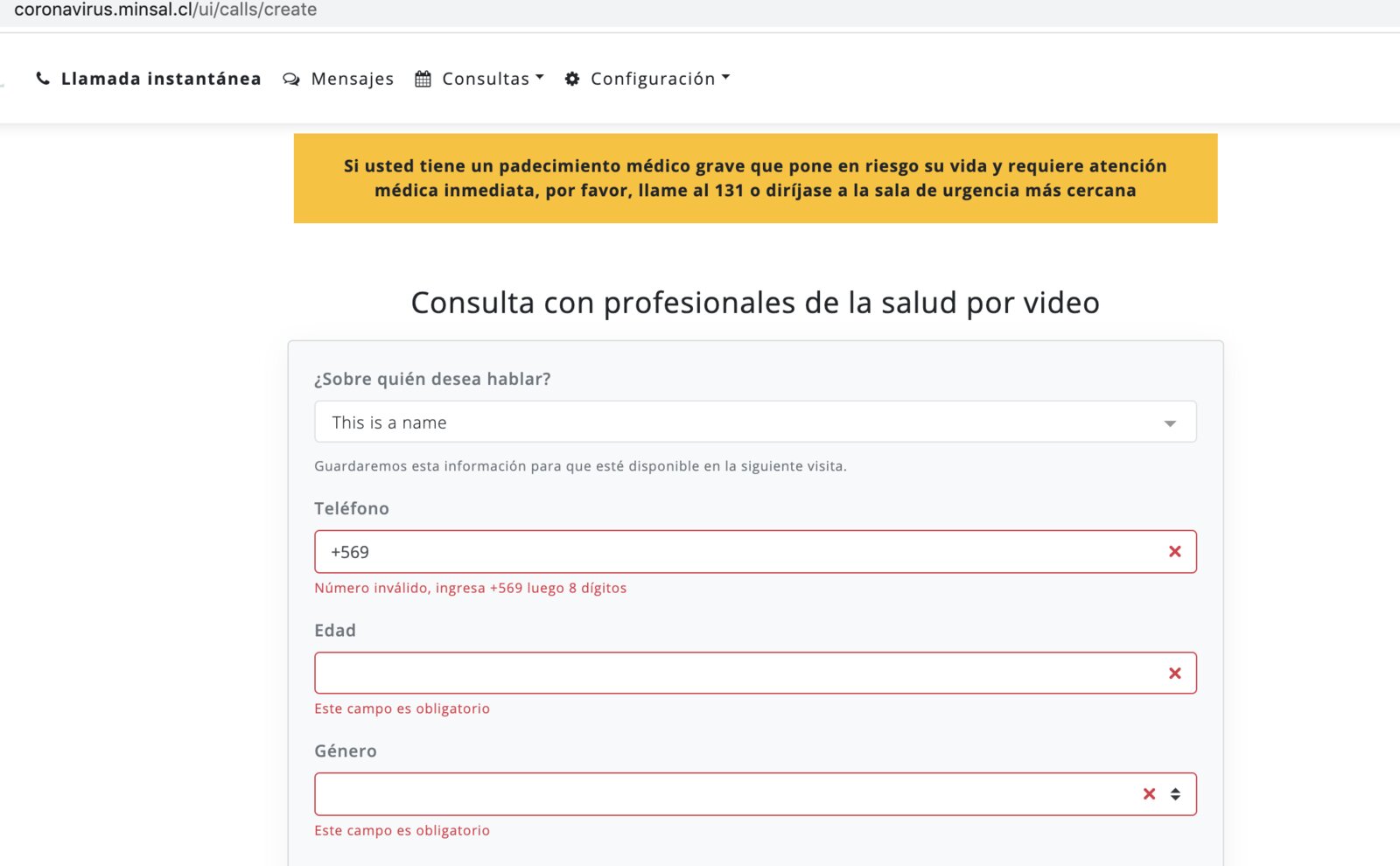
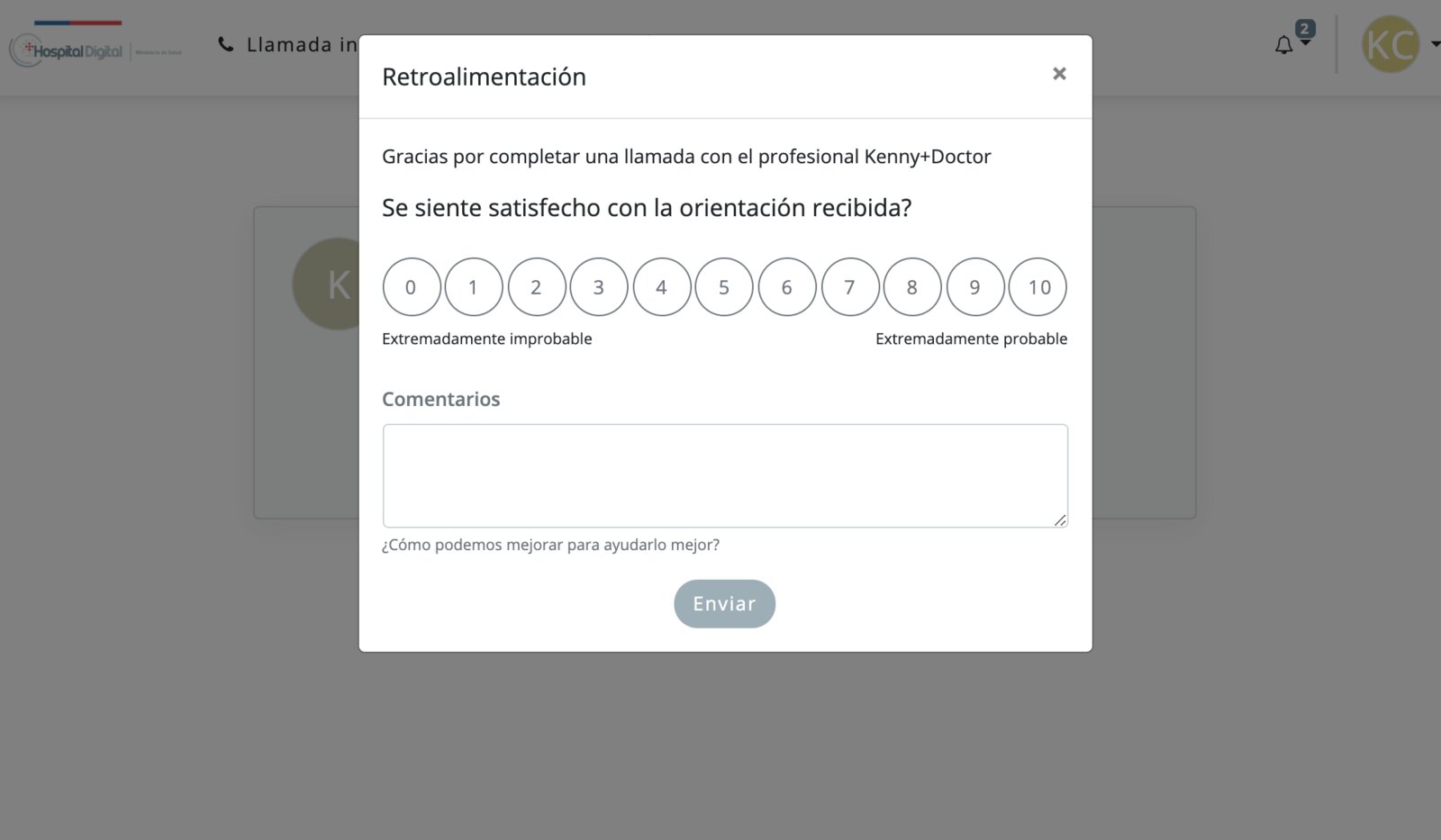
For the refocused business model, the greater significance was a focus on modular enterprise integration: RingMD was demonstrating that its technology could support a national response already under way.
In August 2020, RingMD participated in Y Combinator’s Summer 2020 Demo Day. Company records identify approximately US$2.5 million in SAFE financing during this period. The capital supported RingMD’s refocused institutional strategy.
The marketplace era established RingMD’s ability to reach people across borders. The U.S. phase demonstrated that its technology could also operate reliably inside complex institutions.
2021 - 2022: Indian Health Service Implementation
In July 2021, the Indian Health Service awarded a clinical video telehealth contract to AA RingMD. On October 31, 2022, IHS made AA RingMD available to clinicians and support staff across federal facilities.
IHS described it as the first telehealth-focused platform the agency had deployed. The system supported patient-to-provider and provider-to-provider meetings across multiple device types, including in homes and schools with limited broadband.
At the time, IHS said its health system served approximately 2.7 million American Indians and Alaska Natives belonging to 574 federally recognized tribes. Those numbers describe the agency’s service population, not the number of people who used RingMD.
Company records and HHS/Indian Health Services also document an IHS agency Authorization to Operate for the cloud service. The 2022 Indian Health Services Director’s Award for Customer Service was awarded to AA RingMD and the Indian Health Services group working on the project. https://videocast.nih.gov/watch/cecd78ba-d5db-11f0-9cf9-12c45c580ad9
The shared recognition reflected the nature of the implementation and the current model that RingMD pursues: working by, with and through agency personnel and the contractor team to configure, secure, train, support, and operate the service together.
The IHS implementation extended RingMD’s original access premise into a federal clinical environment, where the software also had to meet institutional requirements for security, training, workflow, and support. RingMD also needed to navigate the FedRAMP process and to become FedRAMP Certified.
2022 - 2026: Federal and State Public-Sector Work
After the IHS implementation, RingMD’s technology continued to be deployed in settings where network were unstable and lacked ordinary operating conditions.
Company and customer records document low- and no-bandwidth demonstrations during Crimson Viper technology exercises in Thailand in 2022 and 2023. In May 2024, the U.S. Department of Health and Human Services’ Administration for Strategic Preparedness and Response awarded RingMD USA Inc. an indefinite-delivery contract for all-hazards disaster telemedicine. The award created a federal ordering pathway for rapidly activated capability.
In December 2025, RingMD Telemedicine became FedRAMP Certified under Rev. 5 through the agency authorization path at the Class C (Moderate) impact level. The official Marketplace lists RingMD USA Inc. as the provider and records an agency authorization associated with the Indian Health Service.
The certification applies to the named RingMD Telemedicine cloud service and its stated impact level. It reflects the security controls, documentation, assessment, and agency oversight required through the FedRAMP authorization process.
By 2026, the same institutional direction was visible in live state services. Alaska’s Department of Health identifies RingMD as its partner for statewide, around-the-clock telehealth support for people enrolled in two disability-waiver programs. In Ohio, RecoveryRachel helps people find licensed mental-health and addiction-treatment providers, while a separate state contract put RingMD to work developing a centralized 988 platform for a network of 19 local contact centers.
Together, these programs illustrate RingMD’s current focus on institutional virtual care, behavioral-health navigation, crisis response, and resilient delivery.
RingMD Today
RingMD today is no longer the consumer marketplace first imagined on the bus in Indonesia, but the mission remains. It builds digital-health systems for institutions that need virtual care, behavioral-health and crisis operations, resilient data exchange, and secure cloud delivery to function as dependable infrastructure. Its RingMD Telemedicine cloud service is FedRAMP Certified at the Class C (Moderate) impact level.
RingMD’s history includes two distinct operating models. The first pursued consumer access and international scale. The second has concentrated on institutional workflows, security, integration, support, and public-sector delivery.
Fulcher founded RingMD, led its initial expansion, and continued contributing after the 2018 restructuring as RingMD and its partners developed the U.S. operation. The company’s subsequent work also belongs to the operators, employees, partners, customers, and agency teams that developed and deployed it.
The continuity between the two phases is the original problem: making care more reachable when distance or infrastructure complicates delivery. What changed was RingMD’s understanding of what dependable access requires.
Entity Note
This history uses “RingMD” as the company and product name across different operating entities. RingMD Pte. Ltd. was incorporated in Singapore in 2015. Public records identify AA RingMD in connection with the Indian Health Service implementation and RingMD USA Inc., (RingMD’s parent organization and ultimate holding entity) in connection with the 2024 HHS award and the current FedRAMP listing. This page does not imply that those entities are legally identical.
Sources and Editorial Method
This history draws on contemporaneous reporting, official government records, registry-derived materials, RingMD’s archived materials, company-verified financing and operating figures, third-party accounting and audit firm records, customer and project records, and RingMD core management’s firsthand account.
The description of the first prototype, the first doctor on RingMD, the pressures and motivations surrounding rapid expansion, the company’s founding mission, and the 2018 restructuring are drawn from Fulcher’s firsthand account, Ernst & Young’s third-party auditing firm records, and RingMD company records.
Historical financing, staffing, and operating figures are drawn from RingMD’s records and third-party audited accounting records, with contemporary reporting cited where it provides independent context. Metrics are described according to what they actually measure: “millions of people” includes use and access across multiple products and distribution channels; and Chile delivery and usage figures come from RingMD and EY project records.
The IHS authorization and the shared IHS Director’s Award recognition are described from company-held documentation and Health and Human Services/Indian Health Services Documentation, source link here: https://videocast.nih.gov/watch/cecd78ba-d5db-11f0-9cf9-12c45c580ad9. The HHS/ASPR award is an indefinite-delivery vehicle, not guaranteed revenue. Alaska and RecoveryRachel are live services; Ohio’s centralized 988 platform remains under active development.
Selected sources include VentureBeat, MobiHealthNews, Microsoft, the archived White House, Forbes, Singapore’s Ministry of Health, TechCrunch, the Indian Health Service, USAspending, Ernst & Young accounts and audit records, the FedRAMP Marketplace, Alaska Department of Health, Ohio public contract records, and RecoveryRachel.
Last reviewed: August 9, 2026.